22 juin 2026
Boosting Tomato Yields by 17%: The Impact of Intracanopy LED Lighting
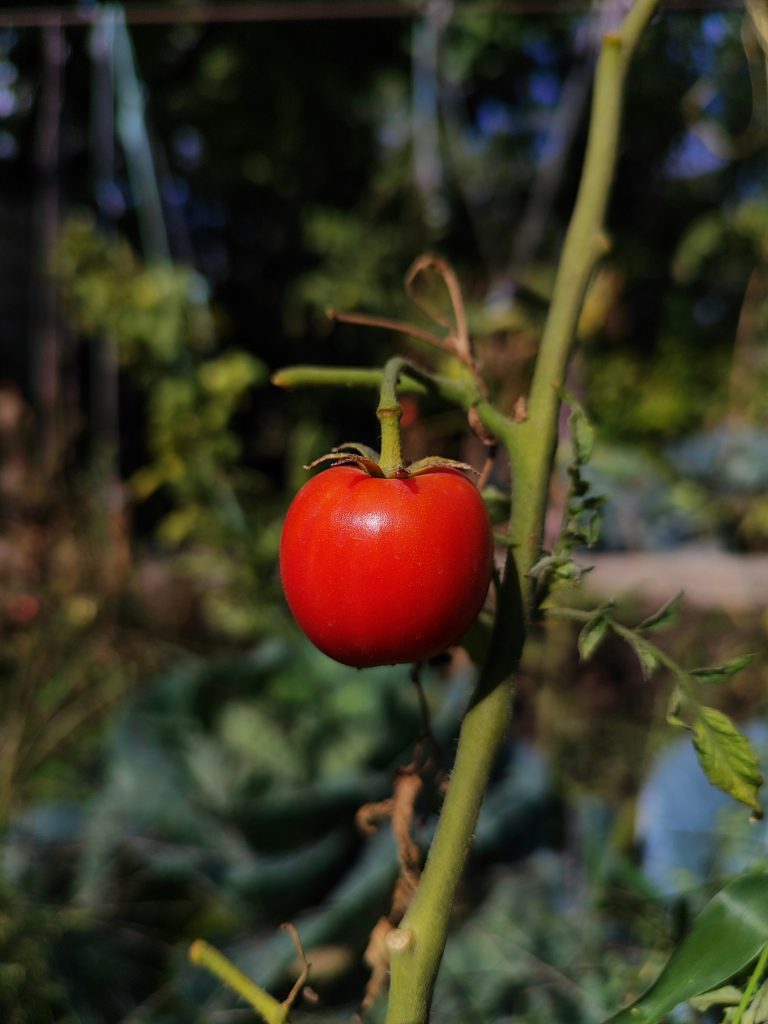
n high-performance greenhouse vegetable production, predictable and maximized year-round yields are the ultimate benchmark for success. To evaluate the real-world impact of intracanopy lighting (interlighting) on a commercial scale, Hort Americas partnered with a leading U.S. greenhouse tomato grower in the Midwest.
The objective of this two-year study was to determine if placing LED light bars directly within the plant canopy could overcome natural shading barriers and maximize profitability for the ‘Macxize’ (tomatoes-on-the-vine) variety.
The Light Challenge: Reaching Lower Foliage
In a traditional greenhouse setup, even one equipped with high-pressure sodium (HPS) overhead fixtures for winter supplemental light, top light struggles to penetrate the lower third of dense, vining crop canopies. This lack of uniformity limits photosynthesis in the lower leaves.
To accurately measure the effects of internal light delivery, the grower integrated a Priva environmental control system linked to a comprehensive sensor network:
- Environmental Sensors: Tracking light levels (outside, at the top of the canopy, and within the lower third), substrate moisture, relative humidity, CO2, indoor/outdoor temperatures, and airflow rates.
- Crop Steering Data: Monitoring stem diameter, length, leaf length, fruit cluster counts, and flowering speed to establish a precise basis for crop manipulation.
Study Protocol: Increased Light, Higher Density
The trial compared two greenhouse sections of identical size (9,817 sq. ft. each) over a 41-week harvest period:
| Parameter | Control Section | Intracanopy Lighting Section |
|---|---|---|
| Top Lighting | HPS Lamps (November to March) | HPS Lamps (November to March) |
| Internal Lighting | None | Arize Integral LEDs (6 ft above substrate) |
| Planting Density | 3.0 plants / m2 | 3.5 plants / m2 (+16.6%) |
| Operating Hours | — | 17 hours/day (6 a.m. to 11 p.m.), Week 38 to 21 |
Note on Density: Delivering supplemental light inside the canopy allowed the grower to increase planting density by nearly 17% in the LED section, without sacrificing fruit size week over week (average fruit size decreased by a negligible 0.24%).
Results: Direct Impact on Yield and Revenue
Data collected at the end of the 41-week harvest period showed a clear performance advantage in the optimized intracanopy section.
[Control Section]    ---> 83.7 kg/m²
[Intracanopy Section] ---> 98.0 kg/m²  (+17% yield increase)
Financial Analysis (Based on a selling price of $1.80/kg)
- Total Volume Harvested: 89,377 kg (LED section) vs. 76,376 kg (Control), representing a total increase of 13,001 kg of fruit.
- Gross Revenue Gain: The intracanopy lighting section generated $160,879 in revenue compared to $137,476 for the control, bringing in an additional $23,404.
- Electricity Cost: The total electrical cost to power the Arize LED fixtures during the 41-week study was only $3,621.
Net Return on Investment
Additional Revenue−Electricity Cost=Net Income Gain
$23,404−$3,621=$19,783
By subtracting the power costs from the extra revenue generated, the grower pocketed an additional $19,783 in gross income from the intracanopy section—a 14.4% increase in financial performance compared to the control.
Conclusion: A Clear Strategic Win
The data confirms that intracanopy LED lighting successfully converts supplemental light into highly profitable biomass. By allowing for higher planting densities and optimizing photosynthesis where top light cannot reach, this technology solves a critical commercial horticulture problem: achieving consistent, predictable, and significantly higher yields without disproportionate energy expenses.